

THE WEDDING CEREMONY WAS HELD
 319
319
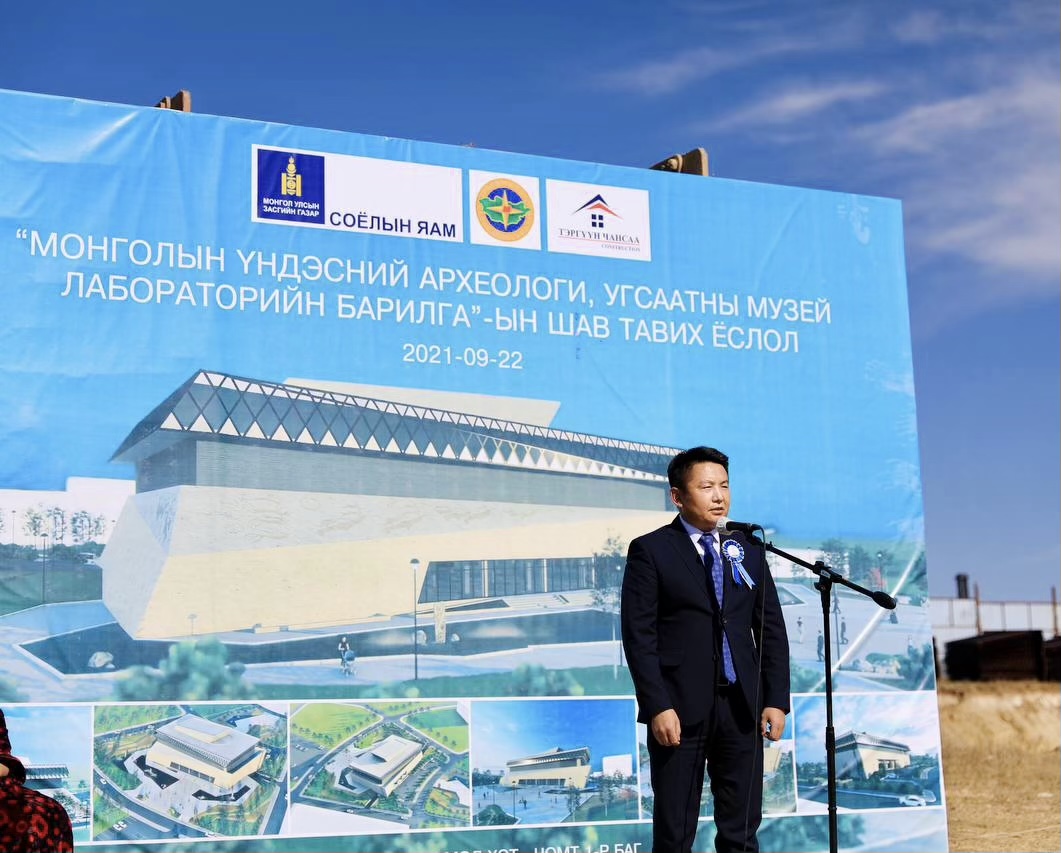
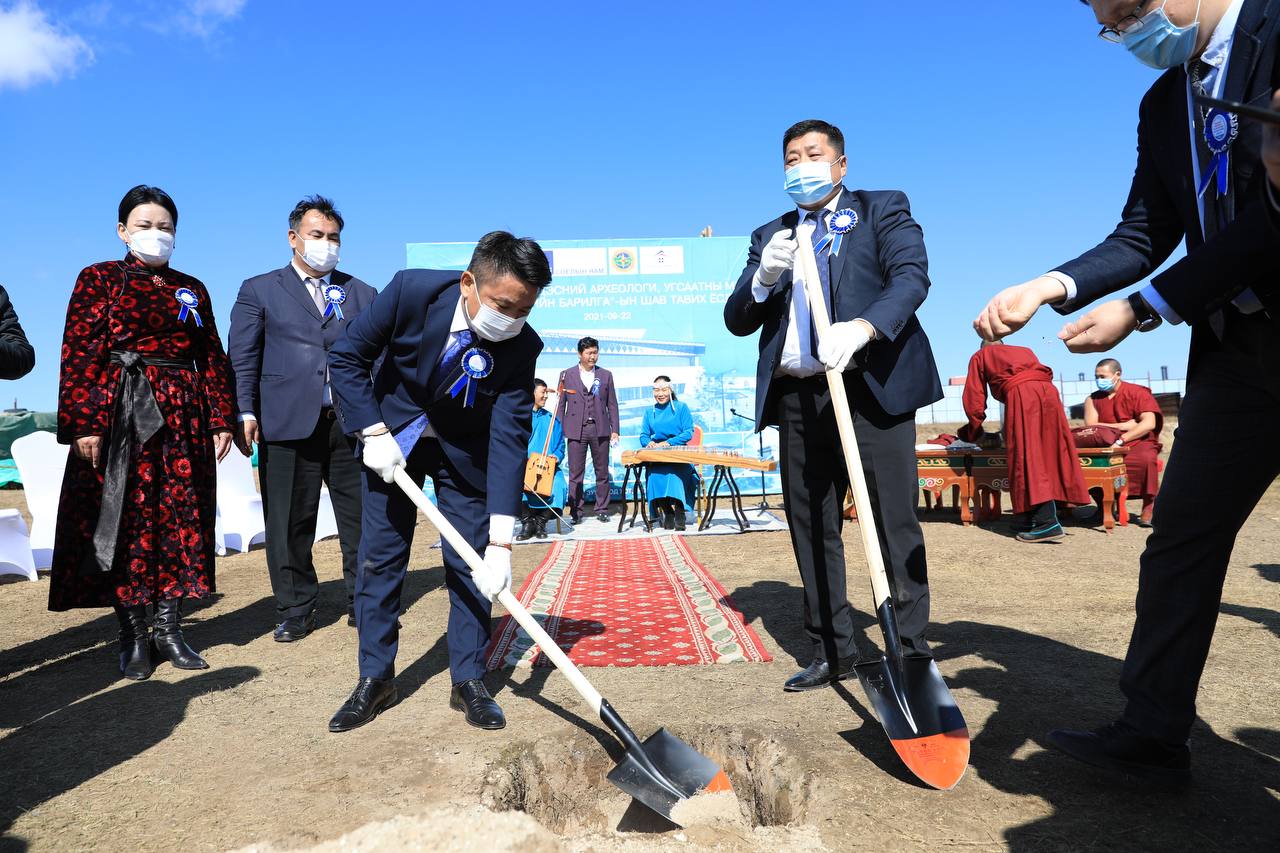
A groundbreaking ceremony for the Mongolian National Archeology, Ethnic Museum and Laboratory was held today in Zuunmod soum of Tuv province.
The event was attended by Deputy Minister of Culture M.Batbayar, Governor of Tuv aimag D.Munkhbaatar, Director of the Chinggis Khaan Museum of Nobles, Academician S.Chuluun and other officials, Director of the Institute of Archeology of the Mongolian Academy of Sciences G.Eregzen, History and Technology of the Mongolian Academy of Sciences. Ts. Tserendorj, Director of the Institute of Ethnology, L. Jargal, Director of the Mongolian National Museum, B. Undrakhbayar, Executive Director of Terguun Chansaa LLC, General Construction Contractor, and B. Onon, Director of Baldans LLC, author of the construction drawings.
In Mongolia, research is led by the Institute of Archeology of the Academy of Sciences, the Institute of History and Ethnography, the Mongolian National Museum, the National University of Mongolia, the University of Science and Technology, the University of Ulaanbaatar, and the International Institute for Nomadic Civilizations. The archives of the Archaeological Institute contain more than 20,000 artefacts from more than 8,000 disciplines, as well as a large number of archeological finds and artifacts from the collections of other organizations.
This indicates that sufficient artefacts and resources have been created for the establishment of an archeological and ethnographic museum, and that there is a need to establish a special museum to educate and educate the public.
The new city center will be located in the new residential area of Zuunmod, Tuv aimag, in line with the Mongolian National Archeology, Ethnic Museum and Laboratory, the long-term goal of decentralizing the capital city of Ulaanbaatar, the master plan to develop Shine Zuunmod and Maidar as satellite cities, and tourism development trends in Mongolia. A 2.4-hectare plot of land in the southwestern part of Atarchid Square has been approved and included in the master plan.
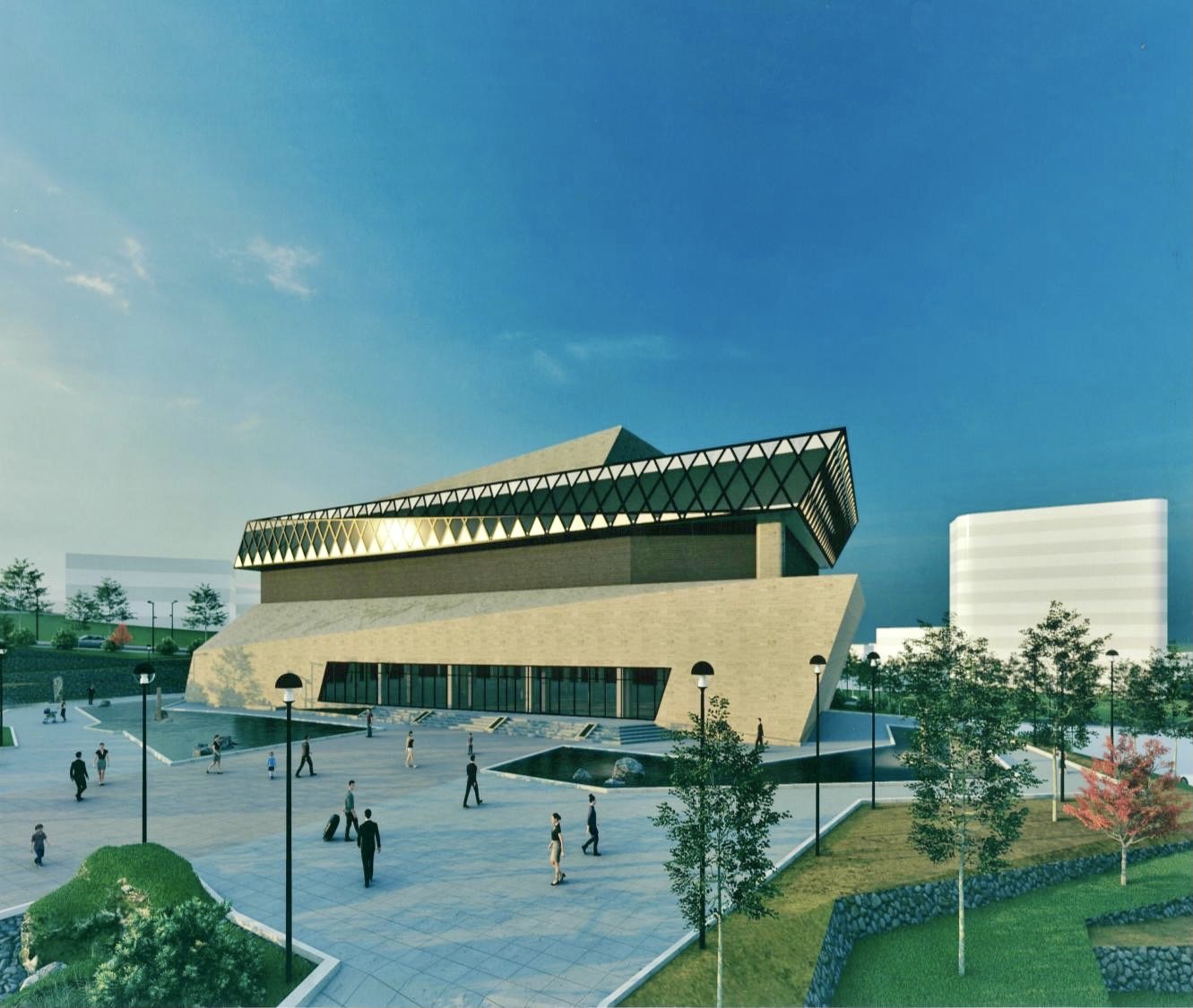
The museum building covers an area of about 8,200 square meters and will be developed into a complex of parks and recreation areas with realistic and replica depictions of majestic archeological monuments, such as light statues, human stone statues and deer statues.
The museum has two wings for archeology and ethnography, and it is planned that exhibition halls will cover more than 50 percent of the total construction area. There will be 6 halls in the archeological wing of the exhibition area, 5 halls in the ethnic wing, and 2 large and small halls for temporary exhibitions.
The general trend of regular exhibitions is thematic, and the solution is to differentiate the museum from other museums in the country, taking into account the overlap of exhibitions and the attractiveness of the audience.
With the commissioning of the new museum, archeological finds that are still stored in non-designated buildings will be stored in containers that meet the required standards.
The museum will also contribute to the spread of patriotism, national pride, unity and enlightenment. In addition to adding one more complex of culture, recreation and education, it is important to contribute to the development of tourism and provide direct and indirect support to the national economy.
A groundbreaking ceremony for the Mongolian National Archeology, Ethnic Museum and Laboratory was held today in Zuunmod soum of Tuv province.
The event was attended by Deputy Minister of Culture M.Batbayar, Governor of Tuv aimag D.Munkhbaatar, Director of the Chinggis Khaan Museum of Nobles, Academician S.Chuluun and other officials, Director of the Institute of Archeology of the Mongolian Academy of Sciences G.Eregzen, History and Technology of the Mongolian Academy of Sciences. Ts. Tserendorj, Director of the Institute of Ethnology, L. Jargal, Director of the Mongolian National Museum, B. Undrakhbayar, Executive Director of Terguun Chansaa LLC, General Construction Contractor, and B. Onon, Director of Baldans LLC, author of the construction drawings.
In Mongolia, research is led by the Institute of Archeology of the Academy of Sciences, the Institute of History and Ethnography, the Mongolian National Museum, the National University of Mongolia, the University of Science and Technology, the University of Ulaanbaatar, and the International Institute for Nomadic Civilizations. The archives of the Archaeological Institute contain more than 20,000 artefacts from more than 8,000 disciplines, as well as a large number of archeological finds and artifacts from the collections of other organizations.
This indicates that sufficient artefacts and resources have been created for the establishment of an archeological and ethnographic museum, and that there is a need to establish a special museum to educate and educate the public.
The new city center will be located in the new residential area of Zuunmod, Tuv aimag, in line with the Mongolian National Archeology, Ethnic Museum and Laboratory, the long-term goal of decentralizing the capital city of Ulaanbaatar, the master plan to develop Shine Zuunmod and Maidar as satellite cities, and tourism development trends in Mongolia. A 2.4-hectare plot of land in the southwestern part of Atarchid Square has been approved and included in the master plan.
The museum building covers an area of about 8,200 square meters and will be developed into a complex of parks and recreation areas with realistic and replica depictions of majestic archeological monuments, such as light statues, human stone statues and deer statues.
The museum has two wings for archeology and ethnography, and it is planned that exhibition halls will cover more than 50 percent of the total construction area. There will be 6 halls in the archeological wing of the exhibition area, 5 halls in the ethnic wing, and 2 large and small halls for temporary exhibitions.
The general trend of regular exhibitions is thematic, and the solution is to differentiate the museum from other museums in the country, taking into account the overlap of exhibitions and the attractiveness of the audience.
With the commissioning of the new museum, archeological finds that are still stored in non-designated buildings will be stored in containers that meet the required standards.
The museum will also contribute to the spread of patriotism, national pride, unity and enlightenment. In addition to adding one more complex of culture, recreation and education, it is important to contribute to the development of tourism and provide direct and indirect support to the national economy.